Queen Fine clean ac ducts mold – Dubai
When people search for ways to clean AC ducts for mold, they are often dealing with a combination of odor, visible growth, dust, and moisture concerns. Air-conditioning ducts can become contaminated when moisture remains in the system, and the problem can be difficult to solve with surface-level cleaning alone.
Queen Fine Cleaning & Technical Services provides AC duct cleaning and mold-focused services across Dubai and the UAE. We approach mold-related duct work as both a cleaning and maintenance issue: contaminated accessible surfaces need attention, while the moisture source needs to be identified and controlled. For service details, visit https://queenfineuae.com/ac-duct-cleaning-service/ or message 0547777466 on WhatsApp.
Understanding Mold Inside AC Ductwork
Mold growth requires suitable environmental conditions, and HVAC systems can sometimes create those conditions when moisture is persistent. Condensation near cooling surfaces, leaking drain pans, blocked drains, or wet insulation can all contribute to a damp environment.
The presence of mold should therefore prompt two questions: where is the contamination, and why is the area staying damp? Cleaning answers the first question to some extent, but prevention depends on resolving the second. This distinction is important because repeated cleaning without moisture control may lead to the same problem returning.
How Mold Can Spread Through an HVAC System
Air moves through supply and return pathways, so contamination located near an air path can potentially affect the cleanliness of the system. The exact spread depends on the system design, the location of the contamination, and whether particles are disturbed.
A professional service tries to control the cleaning process so debris is captured rather than scattered through the property. Access panels, grilles and duct sections are handled methodically, and the cleaning plan can be adjusted when the system has limited access or sensitive insulation.
When You Should Call a Professional
Professional help makes sense when mold is visible inside ductwork, the smell keeps returning, there has been a water leak, or the affected area is extensive or difficult to reach. Businesses should be especially cautious when contamination is in large central systems serving multiple rooms.
A technician can help determine whether the condition is appropriate for cleaning, requires technical repair, or should be referred for specialist remediation. This can prevent a small maintenance issue from turning into repeated cleaning with no lasting improvement.
Our Cleaning Method for Mold-Concerned Ducts
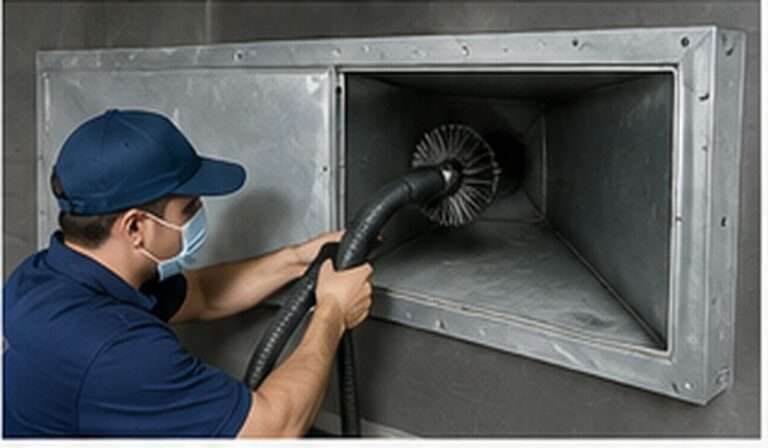
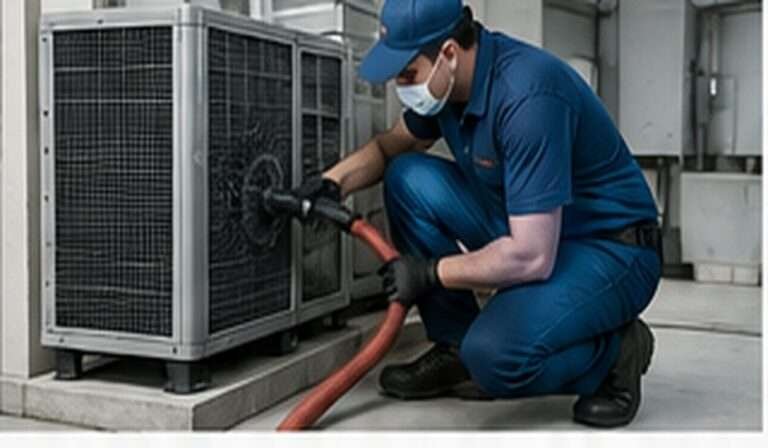
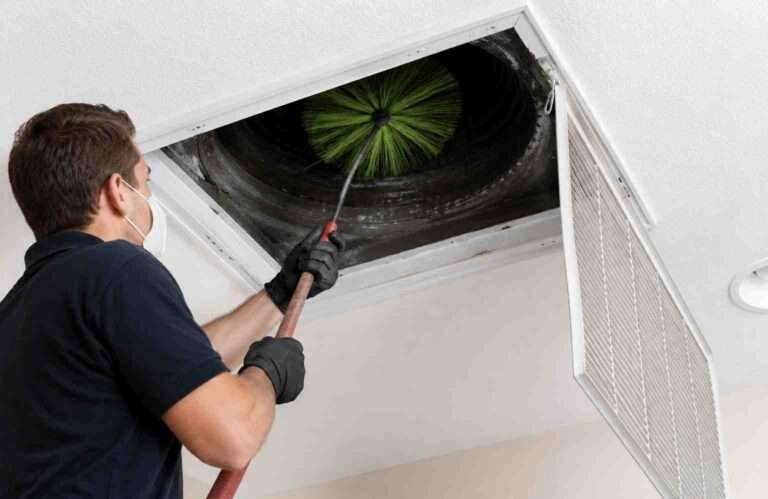
The service starts with inspection and preparation. Relevant areas are identified, access points are opened where suitable, and surrounding surfaces are protected. Mechanical agitation and vacuum extraction may then be used to remove loose dust and debris, while targeted cleaning is applied to appropriate surfaces.
The method is chosen according to the duct material and contamination. If porous insulation is badly affected, the correct solution may involve replacement rather than repeated surface cleaning. A professional approach should be honest about these limits.
Mold, Odors and Airflow Problems
Mold concerns often arrive together with musty odors, but odor is not a complete diagnostic tool. Other issues such as dirty drains, stagnant moisture, dirty filters, or accumulated dust can also create unpleasant smells. Likewise, weak airflow may come from clogged filters, fans, dampers or duct design rather than mold itself.
That is why cleaning should be paired with a basic review of the HVAC condition. Queen Fine can point out obvious conditions that may need follow-up so the client can decide whether additional technical service is appropriate.
How to Reduce Future Mold Risk
Moisture management is the foundation of mold prevention. Keep drain lines clear, repair leaks promptly, monitor areas around indoor units, and maintain insulation where condensation is a concern. HVAC filters should be maintained according to the manufacturer's recommendations.
Building managers should also avoid delaying repairs when damp spots appear. A recurring musty smell after a cleaning visit is a reason to investigate rather than simply masking the odor. Prevention is usually easier and more sustainable than repeated deep cleaning.
When a Full Remediation Is Needed
Some cases go beyond ordinary duct cleaning. Extensive growth, contaminated porous insulation, ongoing water intrusion, or contamination across large parts of a building may require specialist remediation procedures. The best course depends on the scale and material involved.
Queen Fine can help identify when the problem appears to exceed routine cleaning. Being clear about the limits of cleaning protects the client and supports a more effective solution. In complex cases, remediation and building maintenance teams may need to work together.
Book AC Duct Mold Cleaning in Dubai
If you need to clean AC ducts for mold concerns, contact Queen Fine with the building type, location and the main symptoms you are seeing. Photos of visible contamination can also help during the initial discussion.
Visit https://queenfineuae.com/ac-duct-cleaning-service/ or message WhatsApp 0547777466. A controlled cleaning process, combined with moisture correction and good HVAC maintenance, provides a more practical path toward cleaner air distribution pathways.
Do Not Treat Odor as the Only Test
A musty smell can be a warning sign, but odor alone cannot confirm mold inside an AC duct. Other sources such as dirty filters, drains, standing moisture or accumulated dust can create similar symptoms. A proper inspection looks at the system condition rather than assuming the cause from smell alone.
This approach helps the property owner choose the right solution, whether that is duct cleaning, moisture correction, technical repair or specialist remediation.
Why Porous Materials Require Care
Insulated or porous duct materials can react differently to cleaning than smooth metal surfaces. Aggressive scrubbing or unsuitable chemicals may damage the material without solving contamination that has penetrated deeply. In severe cases, removal and replacement may be the more appropriate route.
The safest plan is therefore based on the actual construction and condition of the duct, not on a one-size-fits-all cleaning recipe.
Keeping Mold Concerns Under Control in Commercial Spaces
Commercial property teams can reduce risk by checking for water leaks, keeping drain systems clear, monitoring condensation, and responding quickly to damp areas around HVAC equipment. Filters and coils should also be maintained according to the system requirements.
These tasks are simple but important because cleaning alone cannot compensate for an ongoing source of moisture. Prevention and cleaning work together.
What a Good Mold-Cleaning Result Looks Like
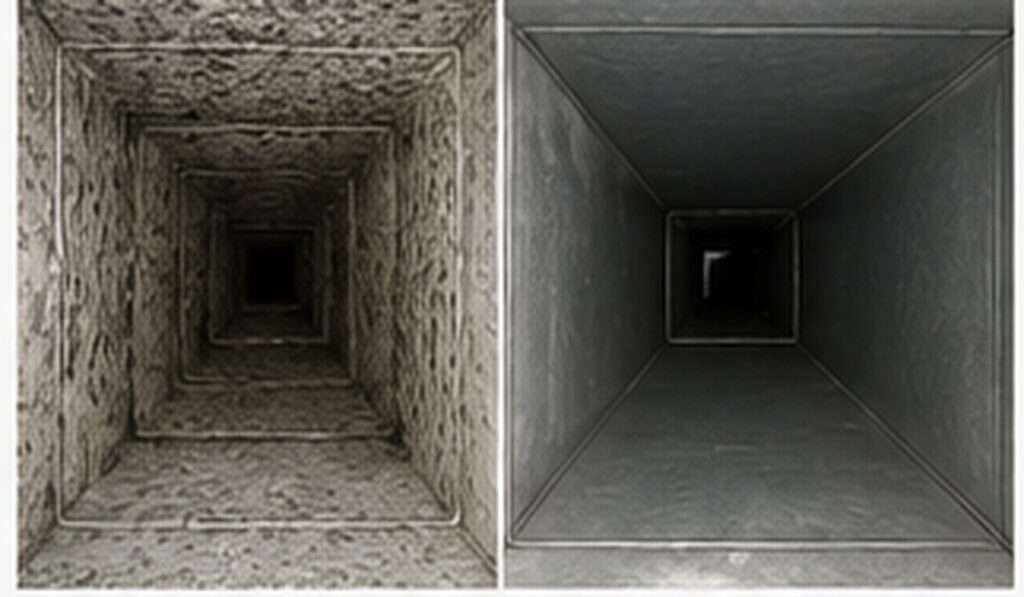
A useful result is a cleaner, controlled service area with the contamination addressed within the agreed scope and the underlying maintenance concerns clearly communicated. It should not be measured only by whether an odor is temporarily hidden.
For long-term value, the property should also know what caused the issue, what was cleaned, and what follow-up work is recommended. That information makes future maintenance more consistent.
Do Not Disturb Extensive Growth Unnecessarily
When substantial mold growth is visible, unnecessary brushing or scraping can disturb contaminated material. It is safer to limit activity until the area can be assessed and an appropriate cleaning method selected.
This is particularly relevant in centralized commercial systems where the affected duct may serve multiple occupied spaces.
Cleaning After a Water Leak
If mold concerns follow a water leak, the leak should be repaired before or alongside the cleaning plan. Otherwise, the same moisture can continue affecting the duct or nearby materials.
The cleaning provider and HVAC technician may need to coordinate so that the source of moisture is properly addressed.
Keep Records of Mold-Related HVAC Work
Document the affected area, likely moisture source, cleaning date and any repairs. This creates a useful history if the problem returns and helps maintenance teams recognize recurring patterns.
Good records are especially useful in rental, office and multi-tenant environments where responsibility for building maintenance can change over time.
Use the Right Cleaning Method
The safest approach depends on whether the duct is smooth metal, flexible material, insulated or otherwise sensitive. A method that works well on one surface may be unsuitable for another. Professional assessment helps select equipment and pressure that match the system rather than using excessive force.
That balance is particularly important when mold concerns are combined with fragile insulation or limited access.
Know When to Escalate
If contamination is widespread, repeatedly returns, or involves damaged porous material, the job may need to move beyond routine cleaning. Recognizing this early can save time and prevent repeated visits that do not address the real cause.
Queen Fine can explain when specialist remediation, material replacement or technical HVAC repair should be considered.
A Cleaner Duct Is Not the Whole Building
Even after AC ducts are cleaned, indoor conditions also depend on filters, coils, drains, building housekeeping and moisture control. A complete maintenance plan looks at these connected factors so the system stays cleaner for longer.
That broader view helps property owners avoid treating one symptom while another source continues to create contamination.
Keep the Service and Follow-Up Connected
After mold-focused duct cleaning, the building team should keep the cleaning record together with any moisture-control or repair notes. This gives future technicians a clearer picture of what was found and what was corrected. A connected maintenance history can make repeated mold concerns easier to investigate and reduces the risk of treating the same symptom without addressing its source.
Frequently Asked Questions
Can mold be cleaned from an AC duct?
Some surface contamination can be cleaned when the duct material and condition allow it. Deeply affected porous materials may require replacement or specialist remediation.
Why does AC duct mold keep coming back?
Recurring mold usually suggests an unresolved moisture, condensation, leak, drainage or insulation problem.
Will mold cleaning remove bad smells?
Cleaning can help when contamination is the source, but odors may also come from drains, filters or other HVAC conditions.
Is mold removal the same as duct sanitization?
Not exactly. Mold-focused cleaning deals with visible or suspected contamination, while sanitization is a separate hygiene treatment that may be appropriate in some cases.
How do I contact Queen Fine?
WhatsApp 0547777466 or visit https://queenfineuae.com/ac-duct-cleaning-service/.
Ready to Book?
Contact Queen Fine Cleaning & Technical Services on WhatsApp at 0547777466 or visit https://queenfineuae.com/ac-duct-cleaning-service/ to discuss your requirements and arrange the appropriate AC duct or HVAC cleaning service in Dubai and the UAE.